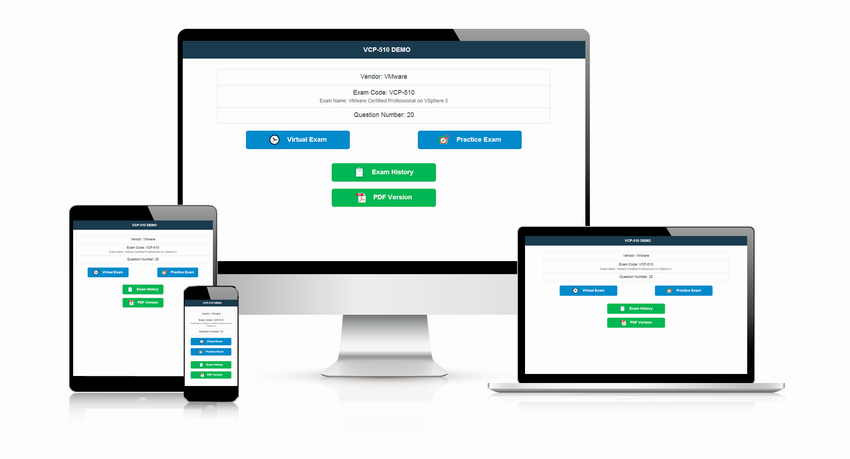
Career growth often waits behind an exam door, and the PEGAPCSSA87V1日本語 exam is one of those doors. ExamCost cannot open it for you, but it can make the walk shorter — 115 practice questions for the PEGAPCSSA87V1日本語 exam, a free downloadable demo for reference, and 365 days of free updates while you prepare.
Pegasystems PEGAPCSSA87V1日本語 Exam Syllabus Topics:
| Section | Objectives |
|---|---|
| Topic 1: Data and Integration | - Integration services (REST/SOAP) - Data pages and data transforms |
| Topic 2: Application Development on Pega Platform | - Application design and architecture - Rules and rule resolution |
| Topic 3: Case Management | - Case life cycle design - Case routing and SLA configuration |
| Topic 4: System Design and Performance | - Scalability and performance considerations - Best practices for enterprise design |
| Topic 5: Debugging and Troubleshooting | - Rule resolution analysis - Tracer and clipboard tools |
| Topic 6: Security and Access Control | - Authentication and authorization - Access roles and privileges |
| Topic 7: User Interface and UX | - UI components and sections - Dynamic UI behavior and visibility conditions |
PEGAPCSSA87V1日本語 Exam Basics: What Every Candidate Asks
The PEGAPCSSA87V1日本語 exam is the required test for earning the Pegasystems Pega Certified Senior System Architect (PCSSA) 87(PEGAPCSSA87V1日本語版) certification from Pegasystems. It assesses your command of the official exam objectives through scenario-based and knowledge questions, and the resulting credential is widely recognized by employers. Its reputation for difficulty is real but manageable — candidates who practice consistently with quality materials routinely walk in well prepared.
The official outline for the PEGAPCSSA87V1日本語 exam highlights these domains:
- Debugging and Troubleshooting ()
- Case Management ()
- Application Development on Pega Platform ()
Seeing the topics laid out this way often shrinks the exam's intimidation factor — each domain is a finite, learnable block, and the Pegasystems Pega Certified Senior System Architect (PCSSA) 87(PEGAPCSSA87V1日本語版) practice questions at ExamCost follow the same structure.
Recommended prerequisite: Pega Certified System Architect (PCSA) certification or equivalent Pega development experience
The PEGAPCSSA87V1日本語 exam is demanding, but its difficulty is specific, not mysterious: unfamiliar question formats, time pressure, and a few heavily weighted domains. All three respond to the same remedy — repeated, timed exposure to exam-style questions. That is what the Pegasystems Pega Certified Senior System Architect (PCSSA) 87(PEGAPCSSA87V1日本語版) practice materials at ExamCost provide, and the free demo lets you measure the real difficulty yourself before committing, which is usually the moment the fear starts shrinking.
The PEGAPCSSA87V1日本語 exam consists of 60-70 questions with a time allowance of 120 minutes minutes. Practicing full sets under a similar time cap is the most direct way to make sure pacing never costs you points on exam day.
Pegasystems offers these training resources for candidates:
Official courses explain the material; practice questions teach you how the exam asks about it. Most successful candidates use both.
Because seeing beats guessing. The free demo of the PEGAPCSSA87V1日本語 exam materials at ExamCost contains genuine samples from the full Pegasystems Pega Certified Senior System Architect (PCSSA) 87(PEGAPCSSA87V1日本語版) question set — same format, same expert-verified answers — and downloading it costs nothing. If you are unsure whether the materials match your level or your study style, the demo answers that question with evidence rather than marketing, and every demo on the site is free of charge.
The passing score is 70% and the exam fee is USD 175. Knowing both numbers early helps you plan: aim to be consistently above the passing mark in timed practice sessions before you spend the fee on a booking.
Registration is available through the following official channels:
Many candidates find that booking a date early converts vague anxiety into a focused countdown — a useful psychological trick while working through the Pegasystems Pega Certified Senior System Architect (PCSSA) 87(PEGAPCSSA87V1日本語版) practice questions.
Pegasystems Pega Certified Senior System Architect (PCSSA) 87(PEGAPCSSA87V1日本語版) Sample Questions:
ケースがレビューのためにユーザーに割り当てられると、その作業ステータスが Open-Review に設定されることが要件に記載されています。この要件を実装するために実行する 2 つの手順はどれですか? (2つ選択)
- A. データ変換を構成して、適切な割り当てに Open-Review ステータスを適用します。
- B. Open-Review ステータスのフィールド値レコードを作成します。
- C. ケース タイプ レコードの許可ステータスとして Open-Review を追加します。
- D. Open-Review ステータスを適切な割り当てに適用します。
Correct Answer: A,D 🗳️
Pega Platform ログ ファイル アペンダーの名前を左から右の対応するユース ケースにドラッグします。
Correct Answer:

MyCo 保険会社は、アプリケーションの開発フェーズを完了し、テスト環境でアプリケーションのテスト フェーズを開始することを決定しました。アプリケーションを移行するために、開発チームは、移行するアプリケーション インスタンスを含む Rule-Admin-Product クラスのインスタンスを作成しました。
アーカイブ ファイルを生成するときに、Rule-Admin-Product インスタンスにデフォルトで含まれる 2 つのコンポーネントはどれですか? (2つ選んでください。)
- A. チェックインされたルール
- B. データ クラス インスタンス
- C. チェックアウトされたルール
- D. MyCo クラスのインスタンス
Correct Answer: A,C 🗳️
アクティビティを開発するための Pega のベスト プラクティスを 3 つ選択してください。(3 つ選択)
- A. 活動は短くしてください。アクティビティを 15 ステップ未満に制限します。
- B. アクティビティのみを使用して、キューの処理とインターフェイスをサポートします。
- C. パフォーマンスの問題を防ぐために、アクティビティの呼び出しを最大 3 つに制限します。
- D. アクティビティの使用を制限します。可能な限り、データ変換などの代替ルール タイプを使用してください。
- E. 可能な限りカスタム Java ステップを制限します。
Correct Answer: A,D,E 🗳️


Viewing page 1 out of 23 pages.
Viewing questions 1-5 out of 115 questions.